
"classic coffee origins"
3000 article(s) found

Argentine Coffee History and Cultural Legend
Buenos Aires, the capital of Argentina, is said to be a city with more cafes than Paris.
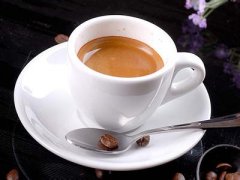
What kind of fancy coffee is latte cappuccino
The timeless classic latte is a classic blend of Italian espresso and milk. Italians also like lattes as breakfast drinks. In the Italian kitchen in the morning, coffee and milk are usually brewed on the sunlit stove. Italians who drink lattes do not so much like espresso as milk.

What are the advantages of chemex coffee? chemex coffee maker history chemex coffee maker function introduction
Professional coffee knowledge exchange more coffee bean information please follow the coffee workshop (Wechat official account cafe_style) simple and easy-to-use CHEMEX brewing techniques-misunderstanding of the CHEMEX coffee pot Chemex is absolutely a must-buy classic in the hand-brewed coffee industry, with an elegant and smooth beautiful pot body, made of laboratory-grade heat-resistant borosilicate glass, integrated forming, waist
Argentine History and Coffee Culture
Buenos Aires, the capital of Argentina, is said to be a city with more cafes than Paris. Buenos Aires currently has 3250 cafés, which means there is one café for every 1000 people in the city.

The representative common sense of fancy coffee recommendation
The timeless classic latte is a classic blend of Italian espresso and milk. Italians also like lattes as breakfast drinks. In the Italian kitchen in the morning, coffee and milk are usually brewed on the sunlit stove. Italians who drink lattes do not so much like espresso as milk.
Fancy coffee with representative basic knowledge of fine coffee
The timeless classic latte is a classic blend of Italian espresso and milk. Italians also like lattes as breakfast drinks. In the Italian kitchen in the morning, coffee and milk are usually brewed on the sunlit stove. Italians who drink lattes do not so much like espresso as milk.

What kinds of fancy coffee are there? Perfect cappuccino.
The timeless classic latte latte is a classic blend of espresso and milk, and Italians love lattes as a breakfast drink. In Italian kitchens in the morning, coffee and milk are usually brewed simultaneously on a sunny stove. Latte drinkers in Italy prefer milk rather than espresso, and they only drink it.

The Historical Story of the Origin of Coffee in Yunnan Variety characteristics of Iron pickup Coffee beans
Typica and Bourbon, two classic high-quality coffee varieties, are the main coffee varieties in Yunnan. In 1991, a series of Catimor varieties were introduced from Kenya (stronger anti-virus ability and higher yield). A variety of Arabian species (also known as small seed species). Because the morphology and habits of the two varieties are similar, the two varieties are mostly mixed. Yunnan area

The representative common sense of fancy coffee and Italian coffee
The timeless classic latte is a classic blend of Italian espresso and milk. Italians also like lattes as breakfast drinks. In the Italian kitchen in the morning, coffee and milk are usually brewed on the sunlit stove. Italians who drink lattes do not so much like espresso as milk.

Kalita Japanese kalita handmade copper pot fine mouth pot coffee hand pot 600ml coffee brew pot
Japanese authentic KALITA 600ml copper pot [origin]: Japan [material]: copper [capacity]: 600ml [weight]: 465g [bottom diameter]: 85mm [box size]: W175 x D100 x H160 mm Kalita classic copper kettle maximum capacity 600ml, recommended capacity 400ml, because of its small capacity, it is more suitable for use with 1x 2-person filter cups. Adoption of grade fineness

A brief introduction to the history and culture of the origin and development of Bali boutique coffee beans with a light peppermint cool feeling
Bali coffee, known as aristocratic coffee, is the most classic of French coffee culture. It is very popular both in France and in Europe and around the world. In particular, it is permeated with a strong aristocratic culture, and it is a favorite of coffee lovers. The French court is the center of French political and cultural life, and the salon of upper-class society has always led the mass culture and life of France.

Coffee knowledge Starbucks Starbucks Coffee making method
one。 Classic espresso (1) hot drink: 1. American coffee (cafe americano): ingredient: espresso (concentrated) + hot water features: better to retain the original mellow aroma of coffee, refreshing effect is better, the price (21 ~ 24 ~ 27) 2. Latte (cafe latte) ingredients: espresso+ milk + 1 spoonful of milk foam features: espresso mixed with hot milk, covered with a light layer of milk foam
Basic knowledge of fine coffee what are the types of fancy coffee
The timeless classic latte is a classic blend of Italian espresso and milk. Italians also like lattes as breakfast drinks. In the Italian kitchen in the morning, coffee and milk are usually brewed on the sunlit stove. Italians who drink lattes do not so much like espresso as milk.

Brief introduction of 26 kinds of fancy Coffee
The timeless classic latte is a classic blend of Italian espresso and milk. Italians also like lattes as breakfast drinks. In the Italian kitchen in the morning, coffee and milk are usually brewed on the sunlit stove. Italians who drink lattes do not so much like espresso as milk.
Coffee in Argentine History and Culture
Buenos Aires, the capital of Argentina, is said to be a city with more cafes than Paris. There are currently 3250 cafes in Buenos Aires, which means there is one coffee shop for every 1000 people in the city. Argentine media wrote that the cafe is the load of daily life and historical heritage. It can not only be used to call friends and talk, but also can be used to be isolated from the group.

The most classic iron pickup fine coffee beans cultivation geographical location climate altitude profile
Coffee fruits take longer to develop. Coffee arabica fruit ripens in 810 months, usually in December of the year. Rainfall has a great influence on fruit development, and climate conditions directly affect fruit development of Arabica coffee berries. Typica and Bourbon are the two classic high-quality coffee varieties. In 1991, they were re-cultivated.
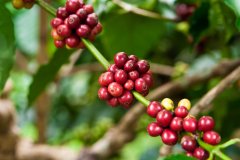
About coffee sentence, describe coffee, describe coffee classic beautiful sentence China Coffee net
Coffee is life, including bitterness and sweetness. Coffee is not in the mood, only coffee drinkers are in the mood. The bitterness and sweetness of coffee does not lie in how to stir it, but in whether it is sweetened or not. A period of pain lies not in how to forget, but in whether or not you have the courage to start anew. Like the kind of atmosphere in the coffee shop, quiet, warm, not too many noisy voices disturb themselves. you

Characteristics of Sidamo Coffee beans from Coffee producing area
Professional coffee knowledge exchange more coffee bean information please follow the coffee workshop (Wechat official account cafe_style) front street-Ethiopia Sidamo lemon nectar washing introduction lemon, flowers (jasmine, coffee, wild ginger, gardenia, etc.), honey is the most classic flavor elements of washed Ethiopian boutique coffee. I still remember that more than a decade ago, when the race wind was in vogue, a pot of water
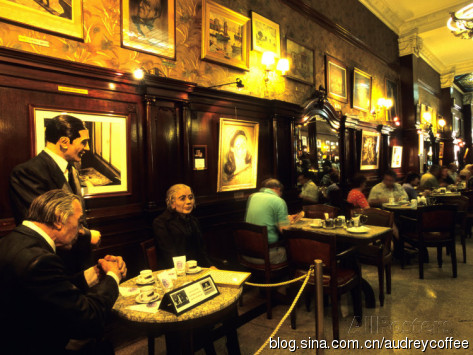
Coffee History and Culture: the connection between Coffee Literature and Art in Argentina
Buenos Aires, the capital of Argentina, is said to be a city with more cafes than Paris. There are currently 3250 coffee shops in Buenos Aires, which means there is one coffee shop for every 1000 people in the city. Argentine media wrote that the coffee shop is the load of daily life and historical heritage. It can be used not only for people to call friends and talk, but also to be isolated from the group.

A brief introduction to the History and Culture of the Origin and Development of TOP Pearl Bean and PB Fine Coffee Bean in Kaili, Kenya
Production profile: this raw bean comes from the Chakney processing plant in Neri and comes from the surrounding family farm. About 2023 coffee trees are planted on 0.5 acres (about 250 square meters) of land. Neri has always been a classic coffee producing area in Kenya, relying on Mount Kenya, with a favorable environment for coffee growth. About 65% of Kenyan coffee comes from small farmers and about 3% from large farms.